
Fashion Fabric
Decorative surface effects for apparel and accessories.
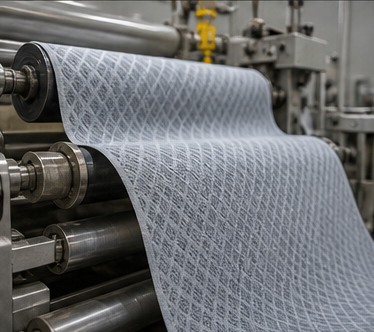
Textiles and non-wovens vary greatly in softness, stretch, coating and thermal response. Roller patterns must create definition without damaging fibers or destabilizing the web.
Request Technical Discussion +Textiles and non-wovens vary greatly in softness, stretch, coating and thermal response. Roller patterns must create definition without damaging fibers or destabilizing the web.
Each application has different material behavior, operating conditions and surface expectations. The roller specification is developed accordingly.
Decorative surface effects for apparel and accessories.
Bonding and texture patterns for hygiene and disposable products.
Functional patterns for filtration, interiors and industrial fabrics.
Pattern edges and pressure area are selected to protect material integrity.
Non-woven patterns can support thermal or pressure bonding objectives.
Texture can add softness perception, visual detail or functional grip.
Roll design accounts for PU/PVC coatings and release behavior.
Final dimensions and materials are confirmed against the approved drawing and operating data.
| Materials | Woven, knitted, coated textile and non-woven webs |
|---|---|
| Applications | Fashion, hygiene, filtration, interiors and technical fabric |
| Process inputs | Temperature, pressure, dwell, speed, tension and coating |
| Pattern goals | Decoration, bonding, texture, grip or branded motif |
| Quality focus | Web integrity, repeat, edge quality and release |
We review the material, machine arrangement and performance target for this industry roller solution.
Roll geometry, surface specification and process parameters are defined for textile & non-woven industries.
Machining, engraving or polishing is completed under dimensional process control.
The finished roller is checked, protected and prepared for domestic or export delivery.
Yes, within material strength, bonding-area and process limitations.
Pattern geometry, edge radius, pressure and temperature are selected for the textile.
Roll design can accommodate heated embossing requirements based on machine details.
Share the material, working width, roller drawing and desired surface result for a technical review.